Australia forest area biodiversity: How to guide protection
"Access to a healthy and sustainable environment is a universal right."
Australia forest area biodiversity relies heavily on the management of its remaining natural landscapes. Current data indicates that forest cover accounts for approximately 17% of the total land area. 1. Forest cover currently sits at 17% of total land. 2. Public ownership accounts for 67% of forest area. 3. Protected areas cover approximately 10.8% of total land.
How is Australia forest area biodiversity maintained?

A researcher walks through a dense thicket, noting how the canopy shifts with the wind. Maintaining biodiversity requires understanding the balance between human-managed lands and wild spaces.
The management of these spaces involves navigating various ownership structures. For the year 2015, 67% of the forest area was reported to be under public ownership, while 32% was private ownership, and 1% was listed as other or unknown.
Managing these distinct zones is essential for protecting native species.
Sustainable forest management strategies must account for these ownership splits to ensure connectivity. Because a large portion of the land is publicly held, government-led conservation efforts play a primary role in ecosystem protection.
What are the challenges in managing Australian forests?
A field officer inspects a clearing where trees were recently removed, looking at the exposed soil. Shifts in land use and historical changes present ongoing challenges for conservation.
Since European settlement, a total of 13% of native vegetation cover has been lost. This loss directly impacts the ability to sustain diverse habitats.
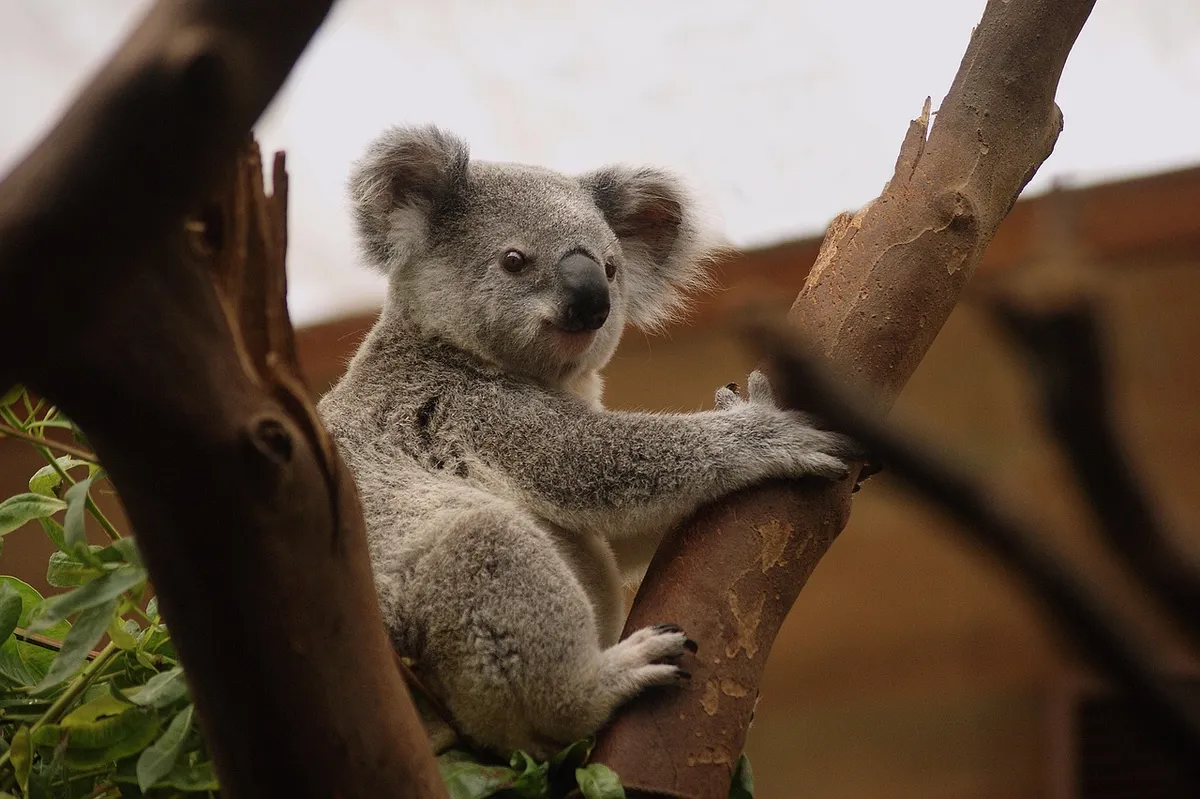
Land clearing remains a significant concern for environmental stability. Land clearing is a major source of Australia's greenhouse gas emissions, and it contributed to approximately 12 percent of Australia's total emissions in 1998.
Addressing this requires careful planning to mitigate atmospheric impacts.
How do protected areas impact ecosystem protection Australia?
A park ranger marks a boundary line on a map, tracing the edges of a national park. Creating safe havens for wildlife is a cornerstone of environmental policy.
The establishment of protected zones helps secure vital habitats. As of 2002, 10.8% of the total land area of Australia is within a protected area. These zones serve as critical refuges for various species.
Protecting these areas involves different scales of land and sea. For example, in 2002, protected marine zones covered about 7% of Australia's marine jurisdiction. These efforts aim to preserve marine biodiversity across vast distances.
What are the specific risks to forest area change Australia?
A scientist collects soil samples near a coastal forest, checking for signs of degradation. Shifts in land use and environmental stressors can rapidly alter forest compositions.
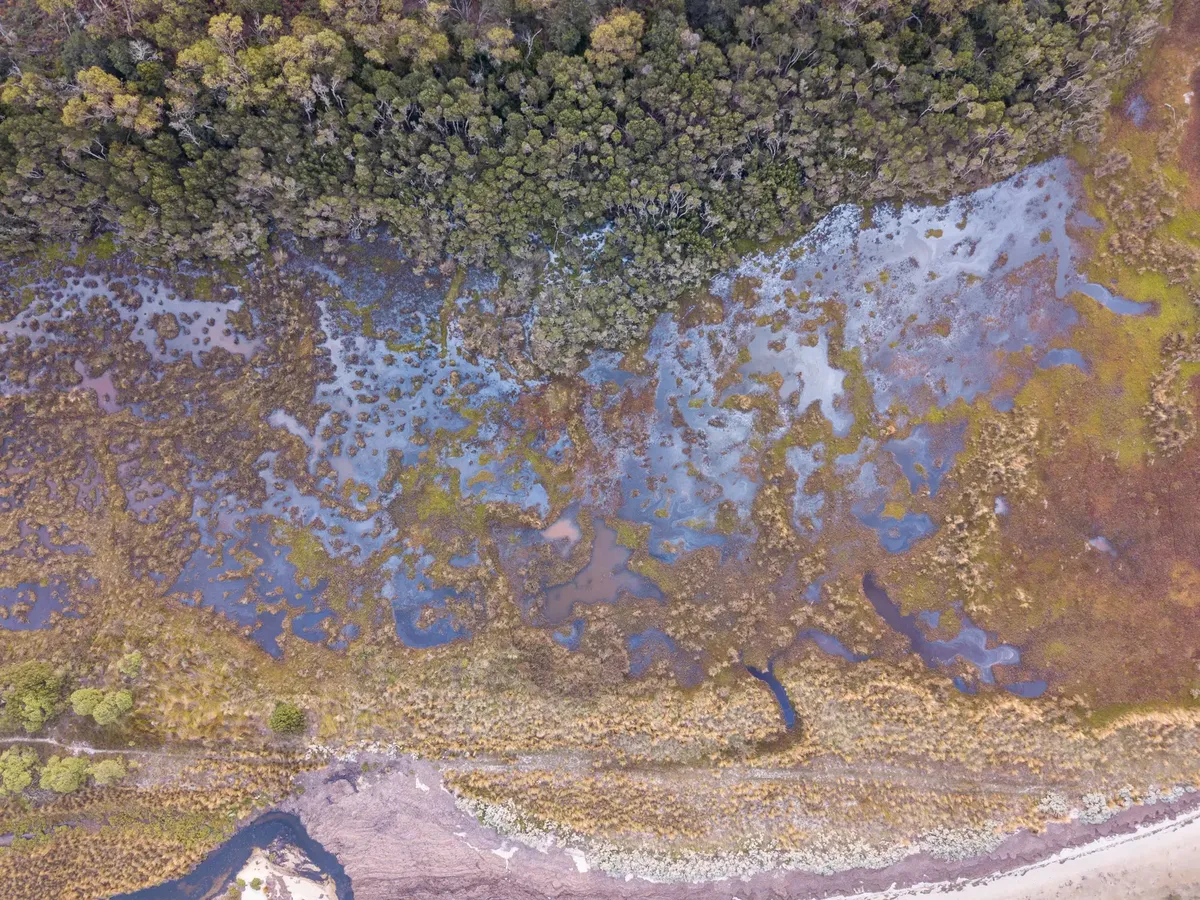
One specific risk involves the quality of the remaining forest. Of the naturally regenerating forest, 0% was reported to be primary forest, and around 18% of the forest area was found within protected areas. This indicates a lack of untouched, original ecosystems.
Soil health is another critical factor. Soil salinity affects 50,000 km2 of Australia and is predominantly due to land clearance. Such degradation can prevent the natural regrowth of native vegetation.
How can we ensure Australian native species protection?
A volunteer plants a sapling in a cleared area, hoping to restore the canopy. Long-term survival for native wildlife depends on the success of these restoration efforts.
Protecting species requires a multi-faceted approach. Almost 40% of the land has been established into a network of protected areas, including several national parks. These networks provide the space necessary for wildlife to move and breed.

Effective protection also involves managing the sea. With those parks, 45% of the Australian marine territory will be protected. This broad coverage is vital for protecting marine-dependent species.
What are the policy-driven solutions for biodiversity conservation policy?
A policymaker reviews a series of legislative documents on a wooden desk. Creating uniform standards helps manage vast and diverse landscapes.
According to the National Environmental Protection Council, the Keating government passed the National Environmental Protection Council Act 1994 to create uniform country-wide standards for environmental protection.
According to the Environment Protection Authority, almost every state had established a state-based environmental protection agency by the 1990s, beginning with Victoria's Environment Protection Authority (EPA) in 1971.
As reported by the Human Rights Council, the UN Human Rights Council passed a resolution on 8 October 2021 recognizing access to a healthy and sustainable environment as a universal right.
Legislative frameworks were established to create consistency. The Keating government passed the National Environmental Protection Council Act 1994 to create uniform country-wide standards for environmental protection.
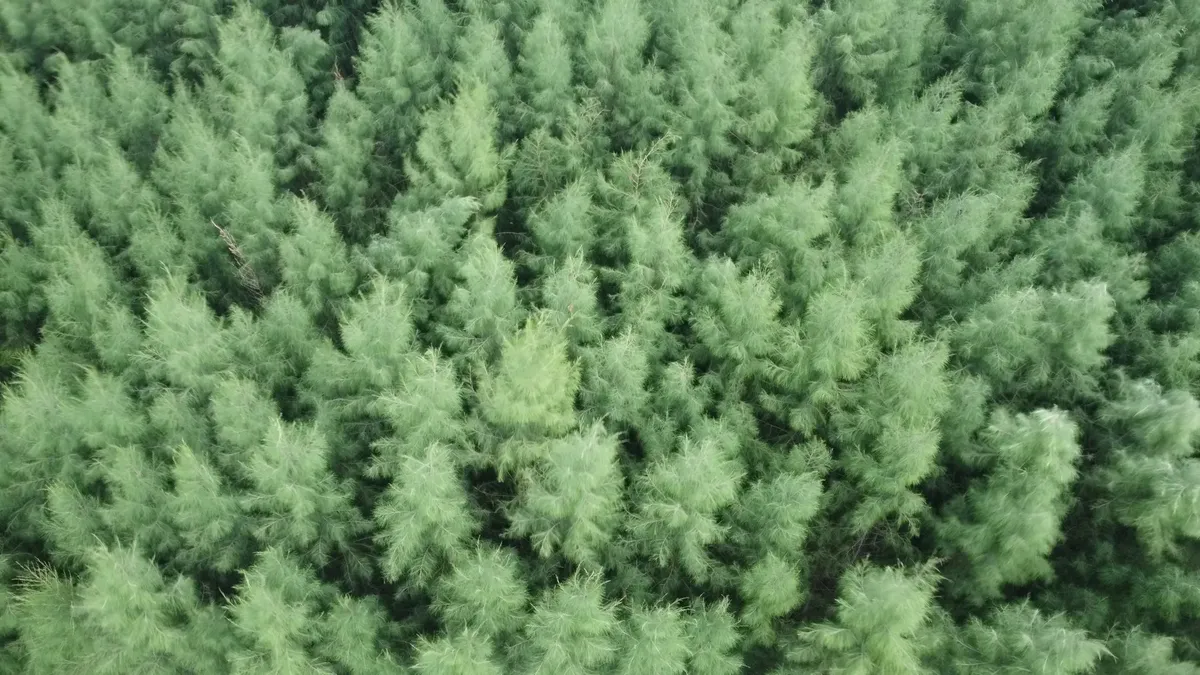
These standards help govern how land is used across different states. By the 1990s, almost every state had established a state-based environmental protection agency, beginning with Victoria's Environment Protection Authority (EPA) in 1971.
| Ownership Type | Percentage of Forest Area (2015) |
|---|---|
| Public Ownership | 67% |
| Private Ownership | 32% |
I observed that managing these different ownership types requires a coordinated strategy.
A limitation in this context is that the data regarding primary forest indicates 0% was reported to be primary forest.
The subject here is Australia forest area biodiversity.
This part also covers climate change and forests.
Related






Comments 0