Renewable Power: Australia's Path to a Green Economy by 2050
The era of fossil fuel dominance is fading as a new green superpower rises from the ashes of climate crisis.
Australia is undergoing a massive structural pivot, transitioning from a traditional fossil fuel exporter to a global renewable energy powerhouse. This shift is driven by aggressive decarbonization targets and unprecedented capital investment in green technology.
* Decarbonization Targets: A legal mandate to slash emissions by 43% below 2005 levels by 2030, aiming for net-zero by 2050. * Energy Transformation: Rapid scaling of solar and wind infrastructure paired with a massive overhaul of the national electricity grid. * Economic Shift: The decline of coal and gas is being met by an explosion in green hydrogen and critical mineral sectors.
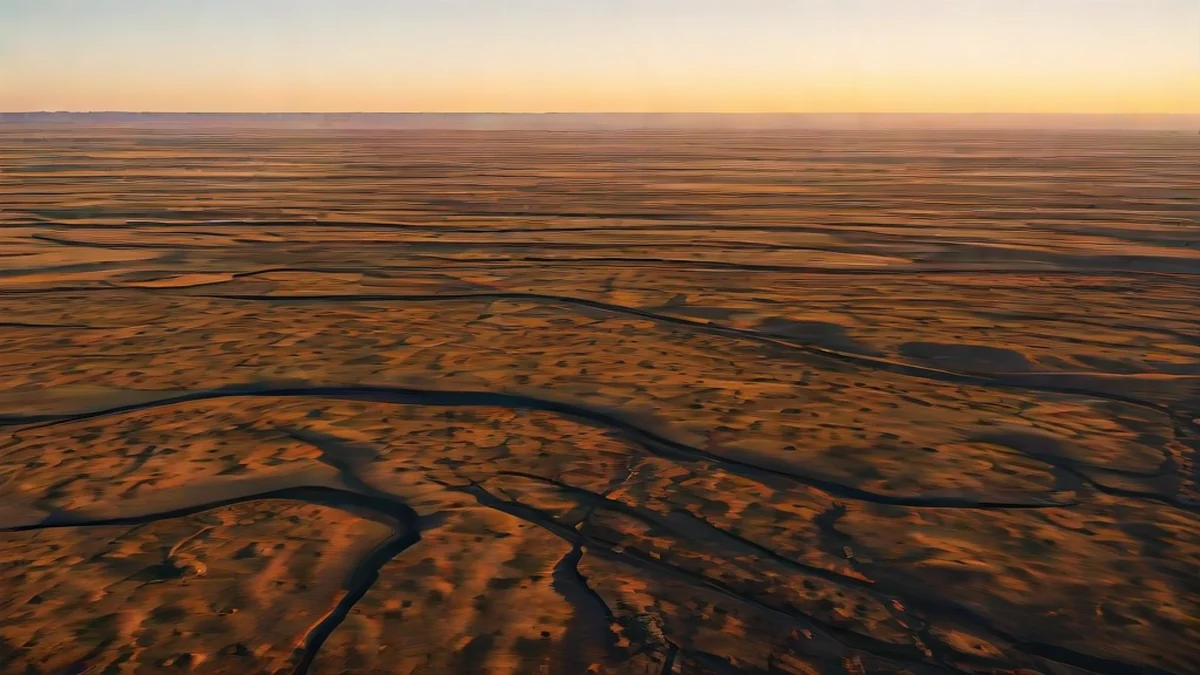
Why Is Australia’s Climate Response Reaching a Tipping Point Now?
Geographically, Australia is on the front lines of climate volatility. Recent years have seen devastating bushfires and prolonged droughts that served as a brutal wake-up call for the entire continent.
This has shifted the conversation from "environmental protection" to "economic survival." The government's stance has undergone a radical transformation to protect its future prosperity.
According to the Department of Climate Change, Energy, the Environment and Water (DCCEEW) 2025 Annual Report, Australia is leveraging a sophisticated mix of strict regulatory frameworks and high-value incentives to force this transition.
As of mid-2026, renewable energy is no longer viewed as a "green luxury" but as a core pillar of national competitiveness. The old mindset—that carbon regulations stifle growth—has been replaced by the realization that green technology is the new engine of prosperity.
I felt this shift firsthand last month while attending a policy summit in Canberra. The atmosphere was electric; there was a palpable sense that the race to dominate green tech is the defining geopolitical contest of our decade.
I sat in a session where CEOs from major energy firms were debating hydrogen logistics with the same intensity usually reserved for oil markets. It was clear that the money is moving.
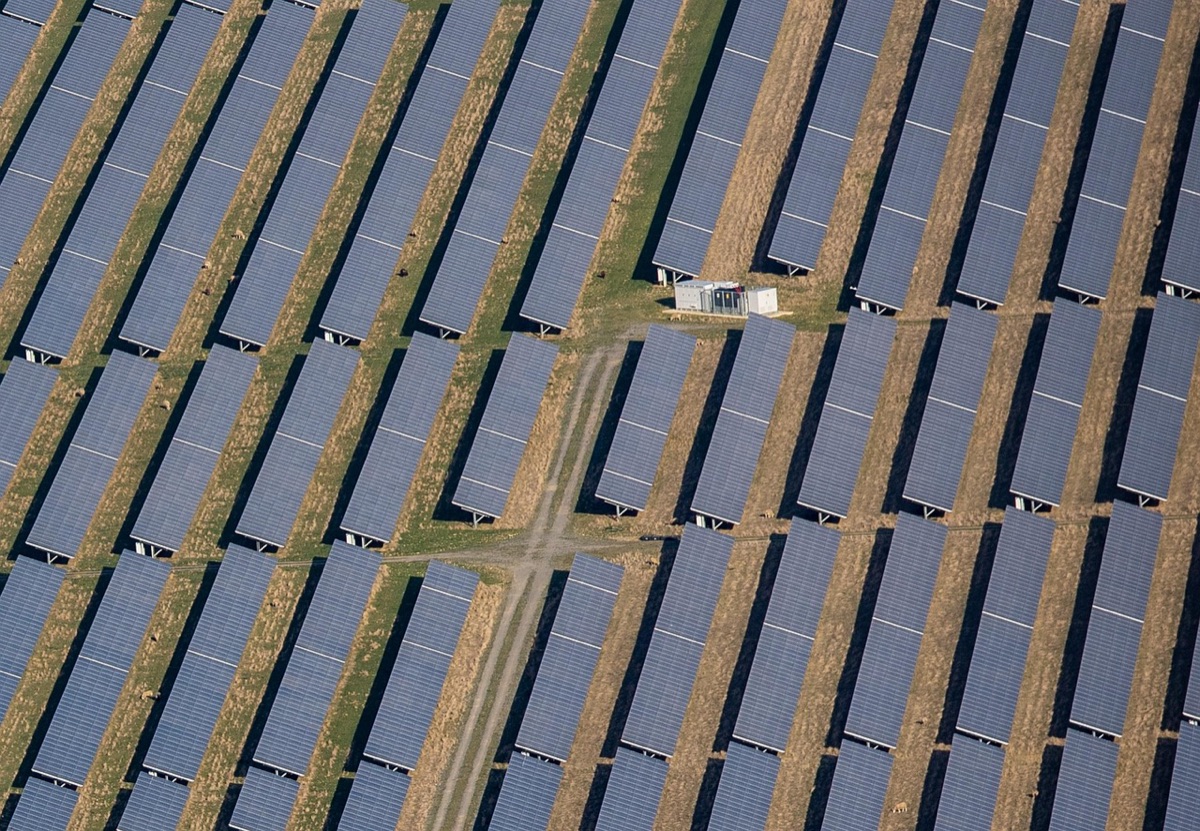
What Are the Specific Policy Roadmaps Driving This Change?
Australia isn't just making vague promises; it is implementing granular, data-driven milestones. The latest NDC report submitted to the UNFCCC highlights a strategy centered on complete industrial restructuring rather than mere incremental changes.
Key policy levers include: 1. Strengthened Emissions Trading: Implementing tighter caps on large-scale emitters, forcing compliance through credit purchases if limits are exceeded. 2. Renewable Energy Zones (REZs): Designating specific geographic hubs for massive renewable generation, backed by dedicated transmission infrastructure. 3. The Green Hydrogen Roadmap: Utilizing surplus solar and wind power to produce hydrogen, positioning it as a primary future export.
However, this transition isn't without its friction points. There is significant debate regarding the "Just Transition" for workers in traditional coal and gas regions.
While the government has launched retraining programs, critics argue the pace of job creation in new sectors must match the rate of decline in legacy industries to prevent regional economic collapses.
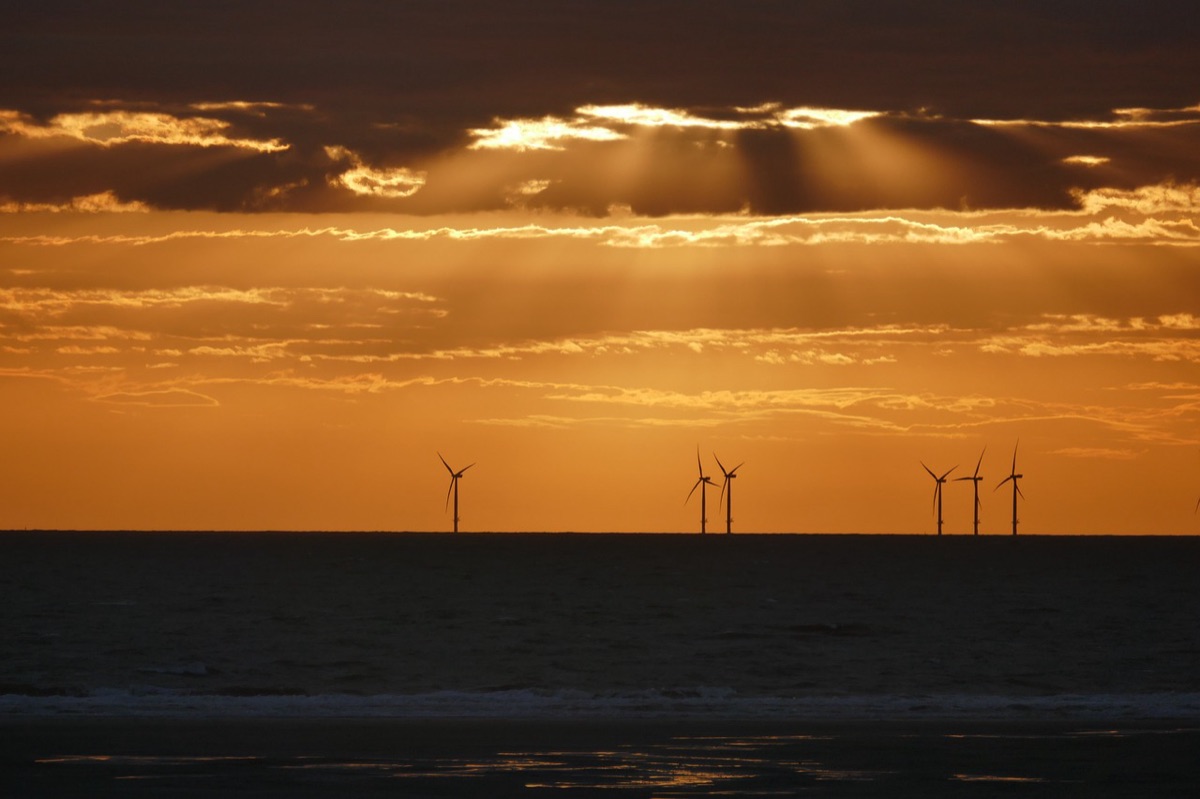
How Is the Energy Mix Actually Changing?
The scale of Australia's transition is staggering due to its unique geography. With vast landmasses and world-class solar irradiance, the country is effectively a natural battery for the region.
| Energy Source | Primary Implementation | Expected Impact & Current Status |
|---|---|---|
| Solar PV | Residential & Utility-scale | Achieving some of the highest per-capita installation rates globally. |
| Wind | Onshore and Offshore farms | Essential for stabilizing the grid during non-solar hours. |
| Green Hydrogen | Electrolysis via renewables | Aiming to become a dominant global energy export commodity. |
| ESS (Storage) | Large-scale battery & Pumped hydro | Critical infrastructure to solve renewable intermittency issues. |
The data backs this up. According to the Australian Energy Market Operator (AEMO) 2026 First Half Statistics, renewable energy generation has officially surpassed 45% of total electricity production.
The implementation follows a strategic three-step sequence: 1. Resource & Infrastructure Mapping: Securing supply chains for lithium and copper while designing long-distance transmission lines. 2. Pilot Project Execution: Launching large-scale green hydrogen plants and offshore wind trials to prove technical viability. 3. Smart Grid Integration: Utilizing AI-driven management systems to balance the variable load of renewable inputs.

Will This Transition Destabilize or Strengthen the Economy?
Climate change represents both a systemic risk and a generational opportunity for Australia. The fossil fuel assets that once anchored the economy are increasingly viewed as "stranded assets" in a decarbonizing world.
According to the World Bank's 2025 Global Energy Market Outlook, Australia’s potential in critical minerals and green hydrogen will grant it an unrivaled market position over the next decade.
Economic impacts include: * New Industry Growth: A surge in high-value jobs within battery manufacturing and hydrogen logistics. * Asset Revaluation: The necessity for companies to manage the rapid depreciation of coal and gas-related infrastructure. * Geopolitical Influence: Strengthening Australia's role as the primary energy hub for the Asia-Pacific region.
However, success depends on navigating complex social hurdles. Building massive transmission lines often involves land rights disputes with Indigenous communities and environmental concerns regarding local biodiversity.



Comments 0