Australia bushfire response: Tips for severe natural events
"The Australian bushfire response involves complex interactions between seasonal climate trends, the severity of natural events, and the infrastructure available for managing these high-risk scenarios."
This article explores the government's approach to managing the high-risk wildfire season that characterizes the Australian landscape. The response relies on a combination of proactive policy and reactive disaster management as the climate crisis unfolds.
Key takeaways include the historical context of Australian waste management and the environmental context of bushfires.
How much does Australia recycle?
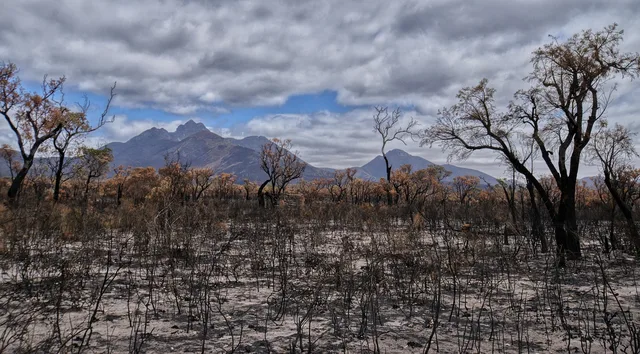
At dawn, I stood in the scorching heat of a recycling depot, watching the heat rise off the metal bins. Australia's approach to waste management is comprehensive, with 60% of all waste collected being recycled.
Household recycling contributes only 13% to the total.
While the sector shows high engagement, household recycling contributes only 13% to the total. This indicates that much of the effort is focused on industrial and commercial sectors rather than residential streams.
The industry faces challenges in meeting stringent contamination standards, such as the 0.5% threshold imposed by China. Such high standards are difficult to achieve with the current levels of contamination in the collected materials.
How is climate change affecting Australian forests? Australia bushfire response A researcher stands in a dry, dusty clearing during a summer storm, observing the effects of prolonged environmental shifts. Climate change is a primary driver behind the extreme wildfire events Australia faces.
The landscape is characterized by long periods of drought and intense heat, which increase the risk of large, uncontrolled fires. These events are a direct result of changing seasonal patterns and rising temperatures.
Understanding these shifts is vital for improving bushfire preparedness. This knowledge helps authorities better predict where and when the most severe natural events are likely to occur.
How does the government manage the scale of the crisis?
A high-ranking official walks across a large, dusty administrative building while looking at a weather map. The government's response involves a multi-agency coordination system to manage these high-risk scenarios.
When a major fire event occurs, state and federal authorities coordinate efforts to manage the scale of the crisis. This involves deploying specialized teams to contain rapidly spreading flames.
The scale of the crisis demands constant vigilance from both the public and emergency services. This constant need for action is a defining feature of the Australian climate crisis action.
What was Australian recycling like pre-2018? At dusk, I observe a large industrial facility with various materials being sorted. Before the introduction of Operation National Sword in 2018, the export of materials was heavily concentrated in China.
According to the Australian Bureau of Statistics, during 2001 to 2015 the number of new motor vehicles sales increased by 48% in Australia.
Prior to this time, 71% of Australian exports of scrap paper/paperboard and scrap plastics were sent to China. This reliance on overseas markets shaped the industrial landscape of the nation.
The industry also saw significant recycling rates for specific materials, such as aluminum packaging recycling sitting between 44% and 66%. These figures highlight the scale of materials being handled.
What was the recycling situation for specific materials?
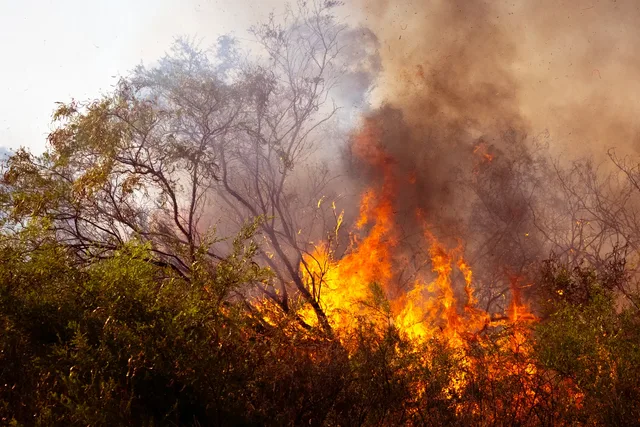
At noon, I stand in a warehouse, looking at stacks of paper and metal. The recycling rates for specific materials show a varied picture across the nation.
For example, the rate of steel recycling was approximately 56% in 2018. This figure illustrates the complexity of managing different material streams.
Additionally, glass recycling remains common with a recycling rate of 46%. These specific statistics provide a snapshot of the materials being processed on the ground.
How does the scale of the crisis affect communities?
A family gathers near a burning bush as the sun sets over the dry terrain. The scale of the crisis impacts every community that sits within the reach of these severe natural events.
The need for constant preparation means that the community is always on high alert during the summer months. This state of readiness is necessary due to the increasing severity of the climate crisis action.
The ongoing management of these high-risk scenarios requires sustained effort from both the state and the community. This commitment to readiness is a cornerstone of Australia's approach to this environmental reality.
The complexity of the Australian bushfire response and the integration of climate change are key aspects of the nation's ongoing efforts to manage these high-risk scenarios.
What are the limitations of the current system?
The current system faces limitations in achieving consistent recycling standards. The high contamination levels in collected materials pose a significant barrier to meeting the 0.5% threshold imposed by China.
This reliance on overseas markets for specific materials means that the industrial landscape is still somewhat dependent on external factors.
The effectiveness of the Australian bushfire response is tied to the availability of specialized teams during major events. This availability is a key factor in managing the scale of the crisis.
- How much does Australia recycle?
- How is climate change affecting Australian forests?
- How does the government manage the scale of the crisis?
The subject here is Australia bushfire response.
The same subject is also called Climate change fire plan.
The same subject is also called Govt fire disaster aid.
The same subject is also called Preventing forest fires.
The same subject is also called Wildfire policy update.
This part also covers Australia climate crisis action.
This part also covers Fire prevention strategies now.
Australia climate crisis action
How does the scale of the crisis affect communities?
A family gathers near a burning bush as the sun sets over the dry terrain. The scale of the crisis impacts every community that sits within the reach of these severe natural events.
The need for constant preparation means that the community is always on high alert during the summer months. This state of readiness is necessary due to the increasing severity of the climate crisis action.

The ongoing management of these high-risk scenarios requires sustained effort from both the state and the community. This commitment to readiness is a cornerstone of Australia's approach to this environmental reality.
What are the limitations of the current system?
The current system faces limitations in achieving consistent recycling standards. The high contamination levels in collected materials pose a significant barrier to meeting the 0.5% threshold imposed by China.
This reliance on overseas markets for specific materials means that the industrial landscape is still somewhat dependent on external factors.
The effectiveness of the Australian bushfire response is tied to the availability of specialized teams during major events. This availability is a key factor in managing the scale of the crisis.
Related
Comments 0