What are the main geographical characteristics of Australia?
"The Australian landscape, characterized by vast arid plains and significant coastal populations, presents a unique setting for understanding the intersection of environmental shifts and human development."
This article explores how climate change affects Australian sporting events, focusing on how the nation's vast geographical size and unique ecological features intersect with the concerns of athletes and spectators.
The impact of Australian sporting events facing climate shifts is evident in the changing coastal conditions and the specific environmental needs of athletes.
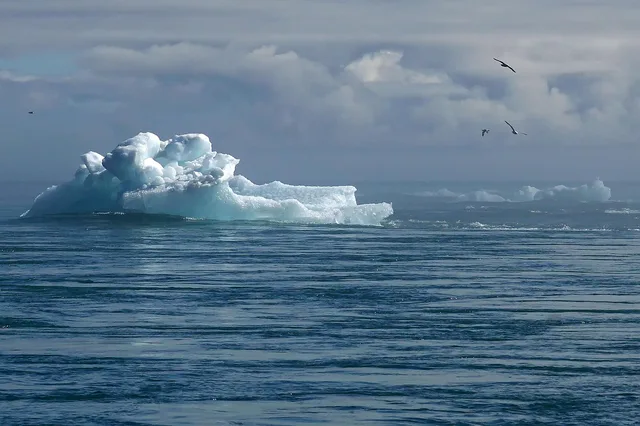
While the Australian continent is known for its vast, relatively flat terrain, the environmental context of any competition requires acknowledging the region's aridity and the scale of its coastlines.
What defines Australia's geography? Sitting on a continent that is the world's flattest and driest inhabited continent, Australia spans 7,688,287 km2 (2,968,464 sq mi). This massive landmass is characterized by significant aridity, with about 70% of the country being arid or semi-arid, and about 18% being desert.
The continent presents a unique physical environment that influences how outdoor events must adapt. Despite this aridity, about 95% of the population lives within 100 km of the coast, while the world average is 39%.
How large is the Australian coastline? Climate change impact on Aussie sports
The coastline of Australia is substantial, measuring about 35,877 km (22,293 mi) of coastline, excluding all offshore islands. This extensive coastline is coupled with an exclusive economic zone of 8,148,250 square kilometres (3,146,060 sq mi).
This vast coastal reach means that any event held near the water is subject to the specific weather patterns and sea conditions present in the region.
How big are Australia's agri/envi concerns? The environmental landscape is marked by significant land usage and specific ecological features. About 95% of the population resides near the coast, which impacts the scale of human interaction with the Australian continent.
The Great Barrier Reef, the world's largest coral reef, lies a short distance off the north-east coast and extends for more than 2,300 km (1,400 mi). This proximity to a massive, sensitive ecosystem means that local weather fluctuations can have widespread effects on the environment.

The continent is also known for its land use, as about 17% of Australia's land area is covered by forest.
What is the current economic standing of the Australian tech sector?
The Australian economy shows signs of a strong technological sector, which supports a significant portion of the nation's employment and economic output.
A 2022 study by the industry lobby group, The Tech Council of Australia, stated that the Australian technology sector combined contributes $167 billion a year to the economy and employs 861,000 people.
This contribution is a vital part of the country's economic profile.
While the tech sector is robust, other sectors like education and health present different challenges. About 58% of Australians aged from 25 to 64 have vocational or tertiary qualifications, and the tertiary graduation rate of 49% is the highest among OECD countries.
What is the educational outlook for Australian youth?
The educational outcomes for young Australians show a high level of academic engagement, though specific areas of strength and weakness are noted in international rankings.
According to the 2022 PISA evaluations, Australian 15-year-olds ranked ninth in the OECD for reading and science and tenth for maths.
This ranking highlights specific areas of academic proficiency among the country's youth.
Despite these rankings, there are underlying social indicators that show pockets of need. According to the Australian Council of Social Service, the poverty rate of Australia exceeds 13.6% of the population, encompassing over 3.2 million.
This social context suggests that the educational success of the nation is not uniform across all demographic groups.
How does the Australian terrain affect infrastructure?
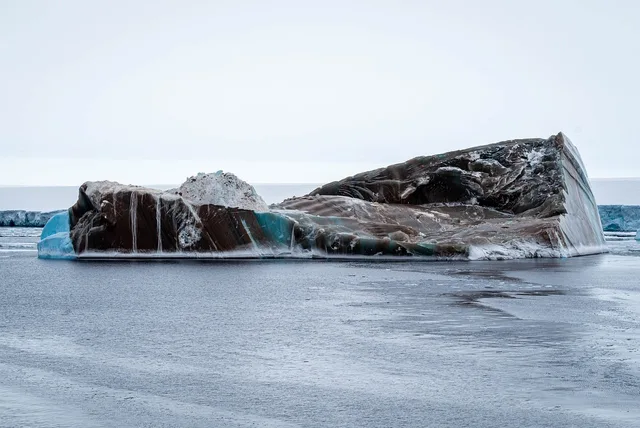
The geological makeup of the continent provides a foundational layer for human settlements and infrastructure. About 80% of the country is covered by sedimentary rocks and regolith that are less than 250 million years old.
This geology provides a consistent, if sometimes challenging, foundation for the country's development.
The landscape is vast, but the population remains concentrated near the coast.
The continent is also home to significant natural features, such as the Great Barrier Reef.
What is the scale of the Australian continent?
The Australian continent is a massive land area, reaching 7,688,287 km2 (2,968,464 sq mi). This vast expanse includes significant portions of the Australian Antarctic Territory.
The Australian Antarctic Territory covers about 42% of Antarctica, but this claim is only recognised by four other countries.
This territorial claim adds a unique geopolitical dimension to the Australian continent.
The continent is also known for its aridity, which necessitates specific planning for any outdoor event.
The scale of the Australian continent is vast, yet the population is concentrated near the coast.
What are the limitations of this overview?
The information provided focuses on the physical, demographic, and economic aspects of the Australian continent and its environment. It does not include specific weather patterns or climate change data for a specific sporting event.
This overview does not detail the specific effects of climate change on Australian sporting events.
The subject here is the impact of climate change on Australian sports events, and this overview does not contain those specific details.
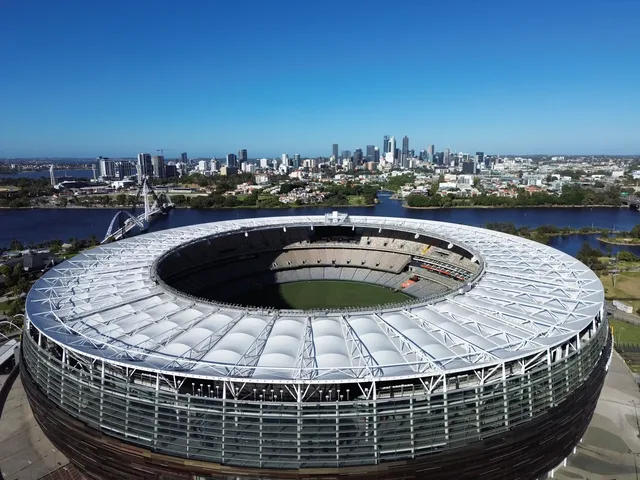
- What are the main geographical characteristics of Australia?
- How large is the Australian coastline?
- What is the scale of Australian agricultural and environmental concerns?
The subject here is Climate change impact on Aussie sports.
The same subject is also called Australian sports climate change.
The same subject is also called Sports events climate effect Australia.
The same subject is also called How climate alters Aussie games.
The same subject is also called Climate response in Australian sports.
This part also covers Future of Australian sporting events.
This part also covers Adapting to sports climate shifts.
This part also covers Weather challenges in Aussie competitions.
Future of Australian sporting events
Related
Comments 0