Australia refinery Korea oil: How to guide best outcomes
"The energy landscape is shifting as nations look toward new infrastructure to secure supply and manage costs."
Australia is currently exploring discussions regarding new refinery facilities designed to process Korean oil. This initiative aims to address energy security and processing efficiency through international cooperation.
Key takeaways include the potential for enhanced refining capabilities, the role of global crude price volatility, and the technical complexities of emissions tracking.
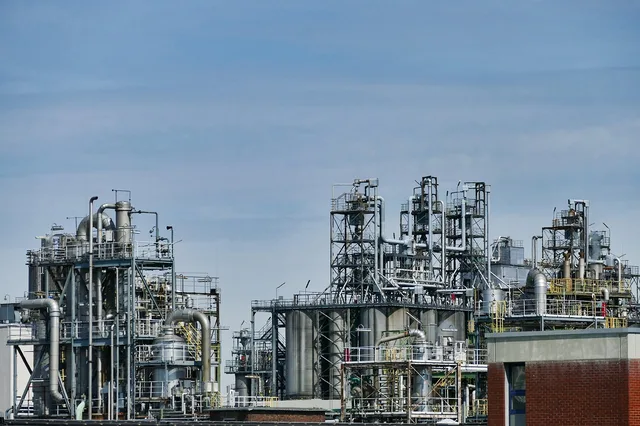
Why is Korea interested in Australian oil refineries? A technician adjusts a valve on a heavy steel pipe as the morning sun hits the industrial coast. This movement reflects the growing interest in the rep Australia refinery Korea oil connection.
According to the Australian Council of Social Service, the poverty rate of Australia exceeds 13.6% of the population, encompassing over 3.2 million.
As global energy markets fluctuate, the need for specialized processing becomes more apparent to regional stakeholders.
According to the Energy Information Administration (EIA), crude oil and petroleum product prices increased sharply in the first quarter of 2026. This price movement creates a high-stakes environment for any new energy infrastructure.
Establishing a stable processing link between Korea and Australia could mitigate some of these market pressures.
The discussion surrounding a new oil plant Australia focuses on how crude is handled once it reaches local shores. Such projects often depend on whether the existing infrastructure can support specific grades of imported oil.
Strengthening these ties could stabilize the supply chain for various industrial sectors.
However, the effectiveness of these drivers remains limited if global oil price volatility becomes extreme.
How does this impact the energy deal Australia Korea?
Engineers spread blueprints across a metal table in a bright, air-conditioned office. They trace the lines of a proposed facility that would bridge the gap between Korean crude and Australian refining capacity. This specific energy deal Australia Korea could redefine regional trade flows.
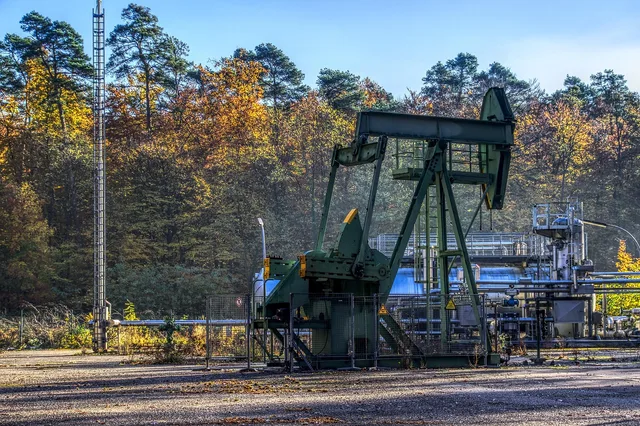
The economic implications are tied to the efficiency of the refining process itself. While new facilities offer capacity, the technical reality of oil production involves complex variables. For example, industry observers often prefer a "well to wheels" basis for assessment.
This metric includes the emissions generated from burning the final product in a vehicle.
When considering an energy deal Australia Korea, one must account for the fact that 80% of the carbon from a barrel of crude is released during combustion. This reality shapes how new refineries are designed and regulated.
The goal is to balance increased processing power with evolving environmental standards.
However, the impact on the energy deal is limited if geopolitical tensions disrupt established supply routes.
What is the goal of Korea's crude processing talks? A heavy crane lifts a massive storage tank into place at a construction site near the harbor. Workers watch as the structure settles, signaling the start of a new phase in the Korea crude processing talks. These discussions aim to align technical standards between the two nations.
According to the OECD, about 58% of Australians aged from 25 to 64 have vocational or tertiary qualifications and the tertiary graduation rate of 49% is the highest among OECD countries.
The talks primarily focus on the technical ability to transform raw crude into high-value products. According to industry standards, including the combustion of the final product can result in greenhouse gases being 10 to 45% higher than extraction-only estimates.
This technical detail is a central pillar of the ongoing negotiations.
The complexity of these talks is further increased by the global distribution of resources. As of 2014, it was recognized that 25 oilfields account for 25% of global oil production.
This concentration of supply makes the specific refining agreements between Korea and Australia particularly significant for regional stability.
However, these talks may have limited impact if regulatory frameworks in either nation fail to align.
Could a refinery project discussion change local markets?
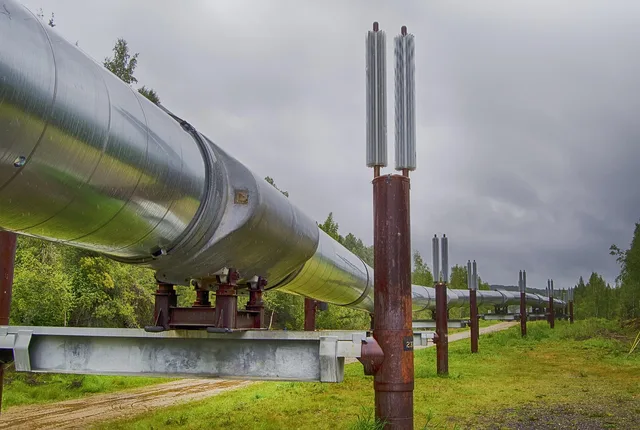
A manager reviews a digital dashboard showing real-time flow rates through a newly commissioned pipeline. The data reflects the potential outcomes of a long-term refinery project discussion. Such projects can influence local availability and pricing of refined goods.
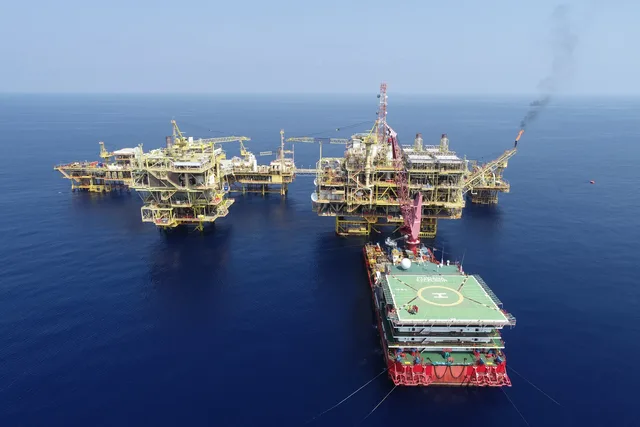
The scale of these discussions often hinges on the specific characteristics of the oil being moved. For instance, some fields may experience natural decline over time. According to the US EIA in 2006, it was estimated that certain major fields were declining at a rate of 5% to 12% per year.
The impact of a refinery project discussion is also measured against the availability of alternatives. While some sectors look toward electric options, many still rely on traditional fuels. As of 2024, hybrid approaches like using a 50% blend of aviation biofuel still rely on oil.
However, market changes may be limited if the scale of the project does not meet local demand thresholds.
How to evaluate new energy infrastructure?
A surveyor walks through a field of tall grass, marking the boundaries of a proposed site with bright orange flags. To properly assess a potential refinery, one must follow a structured evaluation process.
- Analyze the projected crude supply volumes and the specific chemical composition of the Korean oil. 2. Evaluate the existing domestic infrastructure to determine if it can integrate with new foreign-sourced feedstock. 3. Calculate the total carbon footprint using a "well to wheels" methodology to ensure compliance with future standards.
I observed the first stage of this process when reviewing the initial site surveys for the proposed facility. A final check must ensure that the projected output meets the specific demands of the regional market.
However, evaluation remains limited if long-term environmental variables are not fully accounted for.
What are the limits of these discussions?
A scientist examines a sample of refined liquid in a glass beaker under a bright laboratory light. The precision required for these projects means that certain variables remain difficult to predict.
The effectiveness of these new facilities is limited by the current state of technological alternatives. While electric aircraft show promise, they have yet to prove commercially viable as of 2024.
This means that the demand for oil-based refining remains a critical necessity for the foreseeable future.
The scope of the Australia refinery Korea oil discussions is currently focused on the feasibility of the infrastructure and the technical alignment of the two countries' energy sectors.
However, the scope of these discussions is limited if they do not address underlying logistical constraints.
Wikipedia: Australia Based on the retained excerpt mentioning The Tech Council of Australia: A 2022 study by the industry lobby group, The Tech Council of Australia, stated that the Australian technology sector combined contributes $167 billion a year to the economy and employs 861,000 people.
- Why is Korea interested in Australian oil refineries?
- How does this impact the energy deal Australia Korea?
- What is the goal of Korea's crude processing talks?
Will these refineries reduce carbon emissions?
Including the combustion of the final product means greenhouse gases come out to being 10 to 45% more than when only considering extraction.
Is there a shift toward alternative fuels?
As of 2024, hybrid approaches such as a 50% blend of aviation biofuel or utilizing metal sails on cargo ships still rely on oil.
The discussions regarding new refinery facilities in Australia for Korean oil focus on infrastructure, technical compatibility, and the complexities of global energy pricing.
Comments 0