Chinese food franchise growth tips guide local dining
"The landscape of local commerce is shifting as new business models take root in our neighborhoods."
The expansion of Chinese food franchise growth in Australia is reshaping local dining habits and economic structures.
This trend affects community dining preferences, local economic shifts, and food industry changes, though its impact on specific cultural preservation remains an area of ongoing observation.
* Rapid expansion of franchise models in urban centers. * Shifts in local dining competition and economic patterns. * Cultural mix in dining through increased accessibility. * The challenge of maintaining local culinary diversity.
How does Chinese food franchise growth affect local dining?

A chef stands before a steaming wok in a bustling Sydney suburb, flipping noodles as the scent of soy and ginger fills the air. This rapid Chinese food franchise growth changes how residents interact with their local food scene.
The influx of standardized menus allows for quicker access to popular dishes across various suburbs. While this makes certain flavors more accessible, it also alters the traditional food industry changes seen in independent eateries.
These shifts often lead to a more predictable dining experience for the consumer.
However, the impact may be limited in areas where local dining preferences are deeply rooted in tradition.
How is the local economy shifting here?
During the evening rush, you feel the vibration of the street as you watch a new Chinese storefront open in the district. During your morning commute through the district, you touch the cold glass of a window while observing the sudden Chinese economic shifts.
A small business owner watches a new, brightly lit storefront open across the street, noting the delivery bikes lined up at the curb. Such developments often trigger significant local economy shifts within residential corridors.
According to the Australian Bureau of Statistics, during 2001 to 2015 the number of new motor vehicles sales increased by 48% in Australia.

The presence of large-scale operations can change the flow of capital within a neighborhood. As more people choose these convenient options, the traditional dining landscape undergoes a transformation. This movement is a key part of the broader food industry changes occurring throughout the country.
However, these shifts might not occur in regions with stagnant consumer spending.
Will I find a mix of cultures in the food? A family sits at a communal table, sharing various small plates that blend traditional recipes with modern presentation. This phenomenon creates a unique cultural mix in dining that defines modern Australian urban life.
The ease of finding these establishments fosters a sense of familiarity with international flavors. This integration contributes to the evolving social fabric of the community. The impact of new Chinese eateries is felt in the way different demographics gather in shared public spaces.
However, a true cultural mix may not materialize if the franchise models remain strictly standardized.
Is there a community reaction to growth?
A local resident discusses the changing streetscape with a neighbor during a morning walk through a revitalized shopping strip. Understanding the community reaction to growth is essential for urban planners and business owners alike.
Some residents welcome the convenience and variety, while others express concern over the loss of unique, family-run establishments. This tension is a common byproduct of the expansion of Asian restaurant expansion in established commercial zones.
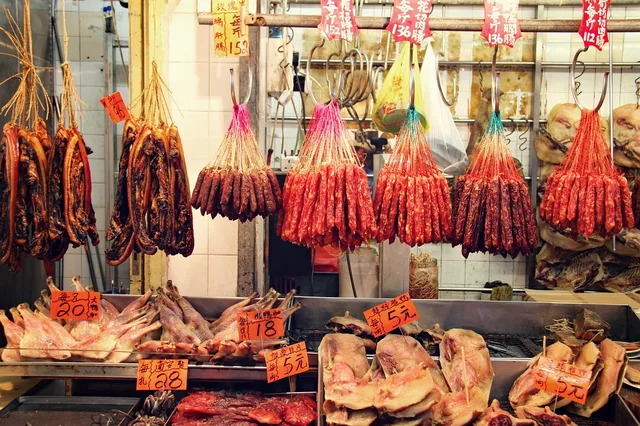
The dialogue between old and new businesses helps shape the future of the district.
However, the reaction may be negligible in highly transient urban populations.
What is the economic effect of food boom?
An accountant reviews the rising commercial lease rates in a district that has recently seen a surge in restaurant openings. Analyzing the economic effect of food boom reveals how quickly a neighborhood can transition.
Increased foot traffic often leads to higher property values and more intense competition for prime locations. This surge can drive both prosperity and pressure on long-standing local vendors. The resulting economic effect of food boom is a complex mix of revitalization and displacement.
However, the positive effects are often offset by rising commercial rents.
How do we compare different dining models?
A manager compares the overhead costs of a single-location bistro against a multi-unit franchise operation. The differences in scale and resource management are evident when looking at the operational structures.
| Feature | Independent Bistro | Chinese Food Franchise |
|---|---|---|
| Menu Flexibility | High | Standardized |
| Resource Scaling | Limited | Rapid |
I observed how the standardized processes of the franchise allowed for much faster service during the lunch rush compared to the bespoke approach of the local bistro.
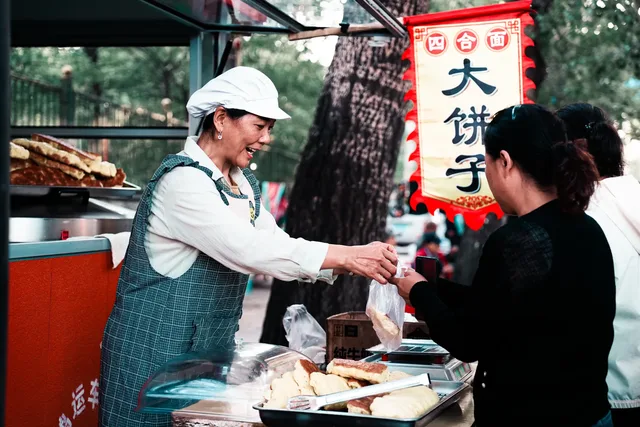
The scale of these operations is often limited by the availability of skilled labor and the rising costs of commercial real estate in high-density areas.
However, this comparison is less effective when comparing models with vastly different operational scales.
Wikipedia: Agriculture in Australia Based on the retained excerpt mentioning Lowy Institute: A 2016 Lowy Institute poll found that 87% of respondents were against the Federal Government allowing foreign companies to buy Australian agricultural land a 6% points higher than a similar survey four years ago.
- How does Chinese food franchise growth affect local dining?
- What are the local economy shifts in these areas?
- Can we see a cultural mix in dining?
How does this growth impact the local economy?
The expansion triggers local economy shifts by changing how capital moves through neighborhoods and affecting commercial lease rates. This can lead to both revitalization and increased pressure on existing small businesses.
Does the expansion affect cultural dining habits?
Yes, the growth contributes to a cultural mix in dining by making diverse flavors more accessible to a wider range of residents. This process is part of the broader food industry changes occurring in urban centers.
The expansion of Chinese food franchises in Australia continues to influence the economic and cultural landscape of local dining.
What are the conditions for community acceptance of the landscape changes?
- Community acceptance hinges on the perceived balance between convenience and preservation of the local character. 2. Some residents embrace the variety offered by the new establishments, viewing it as an improvement to the local landscape. 3. Conversely, other members of the community voice worries regarding the erosion of established, unique local businesses.
These differing viewpoints illustrate the complexity of the evolving local landscape. The dialogue surrounding these changes dictates the ultimate trajectory of the neighborhood's commercial environment.
How does the standardization of the franchise compare to the local landscape?
- The standardized menu of the franchise offers predictability, a condition distinct from the bespoke nature of the independent bistro. 2. The rapid scaling capability of the franchise contrasts sharply with the limited resource scaling of the local landscape vendor. 3. This difference in operational structure influences the consumer experience within the local area.
The franchise model prioritizes replicability, whereas the local model emphasizes unique adaptation to the immediate local landscape. This comparison highlights divergent approaches to serving the community.
The increased accessibility provided by the franchise model alters the established norms of the local dining landscape. This accessibility is a direct result of the standardized operational procedures employed by the larger entities.
The local landscape must adapt to this new standard of availability.
Comments 0