How do economic factors shape Aus federal election issues?
"The political landscape is shifting long before the first ballot is cast."
The 2028 federal election in Australia is already shaping the national dialogue through emerging economic and social questions. This guide explores the timeline, key socioeconomic factors, and the structural mechanics that will govern the upcoming vote.
Key takeaways: * The House of Representatives expiration date dictates the election window. * Economic sectors like technology and social welfare remain central pillars. * Electoral mechanics govern the timing and finalization of results.
What is the timeline for the 2028 election focus?
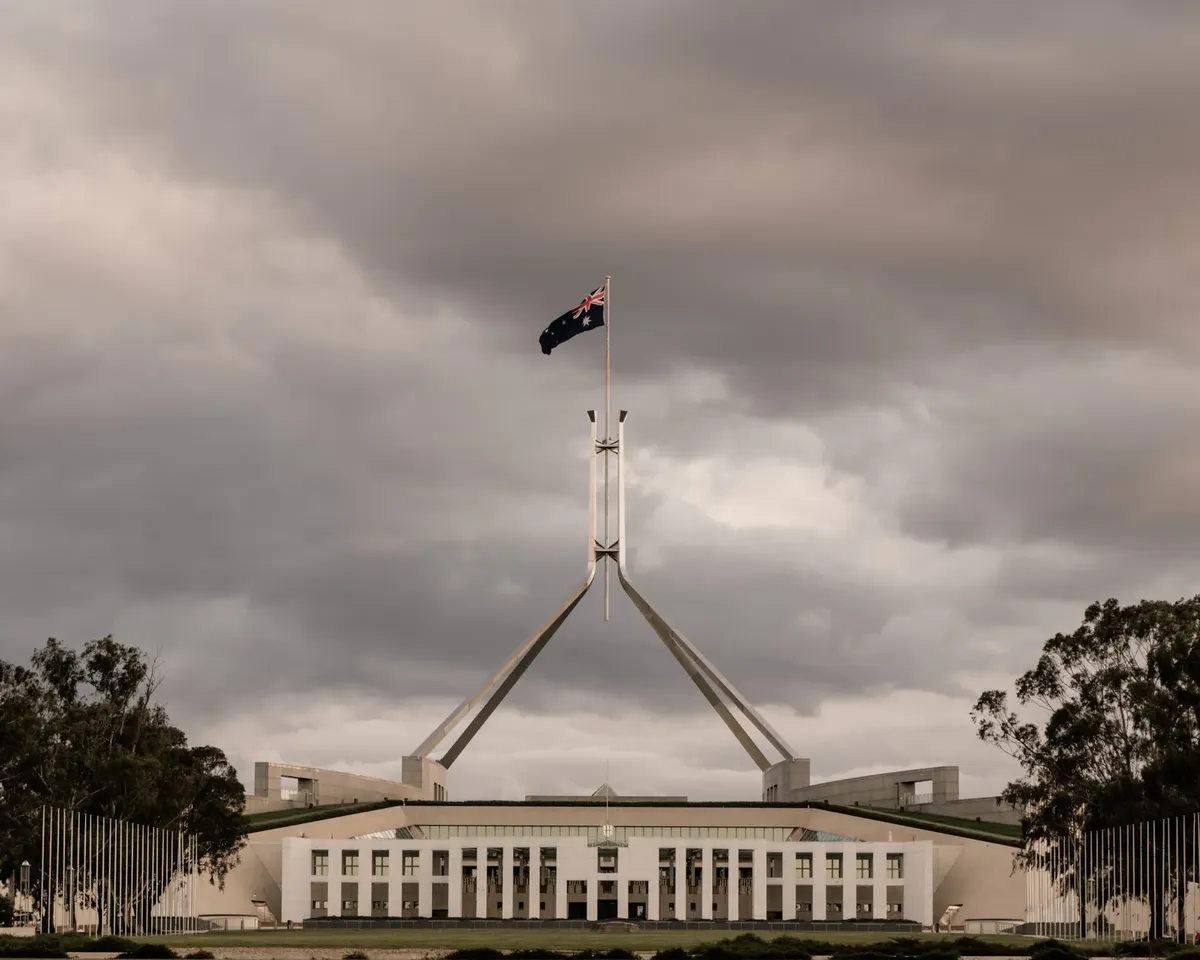
A calendar sits open on a desk, showing various possible dates for the next democratic milestone. The timing of the election is governed by specific statutory requirements regarding the expiration of the House.
According to statutory timelines, the House will expire on 21 July 2028. Following this, 10 days later is 31 July 2028, and 27 days after that is 27 August 2028. A further 31 days leads to Wednesday 27 September 2028. These dates represent the possible windows for the election to occur.
The questions regarding the 2028 election focus will likely center on these specific dates. Understanding this timeline is the first step in tracking how political parties prepare their platforms.
How do economic factors shape Aus federal election issues?
A news report flashes on a screen, highlighting data regarding the nation's economic health. Shifts in industry and wealth distribution will heavily influence voter sentiment.
The Australian technology sector contributes $167 billion a year to the economy and employs 861,000 people, according to a 2022 study by The Tech Council of Australia. This massive economic contribution makes tech-related policy a vital part of the political conversation.

Simultaneously, the poverty rate in Australia exceeds 13.6% of the population, encompassing over 3.2 million people, according to the Australian Council of Social Service. These divergent economic realities will drive much of the debate.
These figures indicate that the intersection of industry growth and social welfare will define the upcoming political landscape. Future questions will look at how these sectors balance growth with equity.
What will drive 2028 vote questions?
A group of citizens gathers at a community center to discuss local governance. The questions they raise will eventually ripple through the entire country.
The questions regarding what will drive the 2028 vote will likely involve questions about education and social stability.
These educational benchmarks often serve as a backdrop for discussions on future workforce readiness.
The questions will bridge the gap between current economic status and future generational needs. Every policy debate will be measured against these societal outcomes.
How will major political shifts Australia experience unfold?
A map of the country is spread across a table, showing the vastness of the electorate. Shifts in regional interests will determine the balance of power.
The questions regarding major political shifts in Australia will involve understanding how regional needs interact with federal policy. With approximately 95% of the population living within 100 km of the coast, coastal and urban issues will remain dominant.

This demographic reality forces parties to focus heavily on coastal management and urban infrastructure.
Political shifts will likely follow these demographic trends. The concentration of the population will necessitate localized solutions to national problems.
What is the election outlook Australia 2028 like?
A voter holds a pen, contemplating the upcoming choices. The outlook remains dependent on how well leaders address existing social challenges.
The questions regarding the election outlook in Australia 2028 will involve assessing how well the government addresses the 3.2 million people living in poverty. Addressing this demographic will be a primary challenge for any administration.
The questions will also touch upon how the $167 billion tech sector is managed to ensure continued economic stability.
The outlook will be defined by the tension between economic success and social inequality. How these forces interact will determine the winner.
How do election mechanics work?
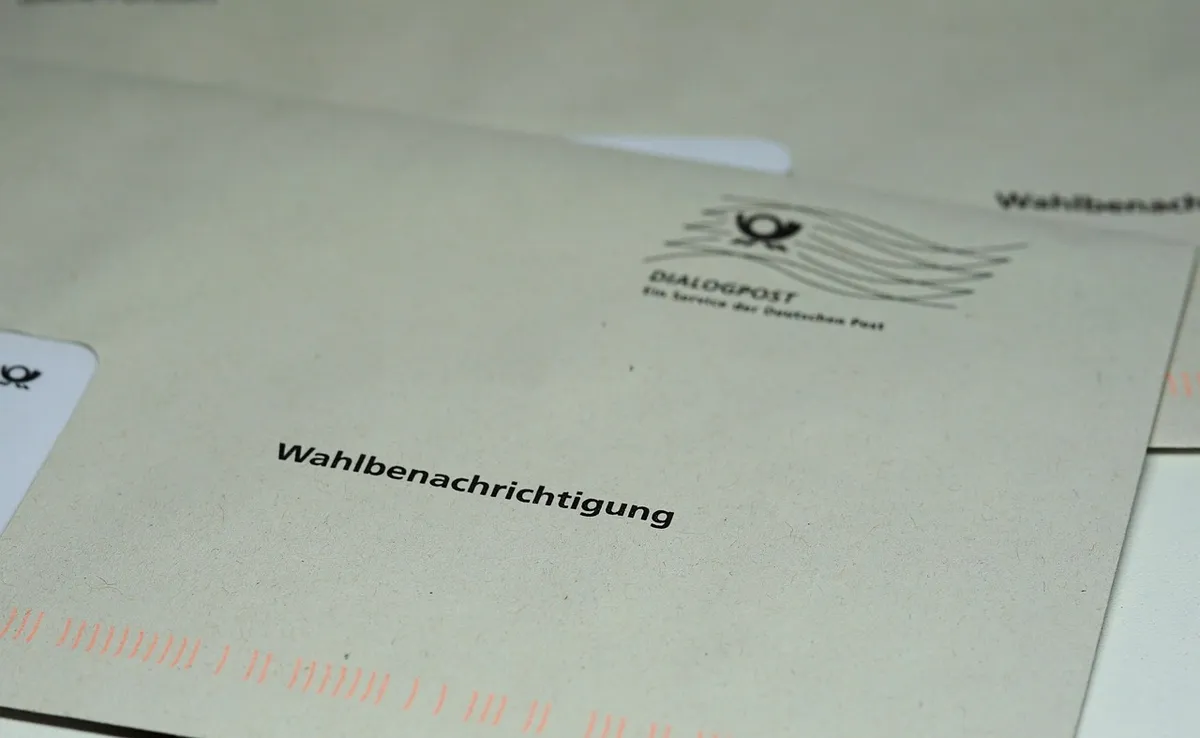
An official at the electoral commission prepares a stack of documents. The rules of the game are strict and clearly defined.
The Australian Electoral Commission announces that more than 1.7 million Australians have already voted at pre-polling centres, according to The Australian Electoral Commission.
The questions regarding election mechanics involve understanding the rules of counting and timing. For instance, the AEC is required to wait 13 days after election day to receive declaration votes before it can finalise counting.
This ensures that all valid votes are accounted for before a winner is officially declared.
These rules provide the structure for a fair democratic process. The mechanics ensure that the final result reflects the will of the voters.
Australia 2028 election focus
The subject here is Australia 2028 election focus.
The same subject is also called Upcoming Aussie politics.
The same subject is also called Key government debates Aus.
The same subject is also called Future of Australian politics.
Related
- Australia climate disclosure review: Guide to energy ratings
- Renewable Power: Australia's Path to a Green Economy by 2050






Comments 0