How Over 60% does the Australian beef industry function?
"The Australian agricultural sector faces significant headwinds from shifting climate patterns and evolving land ownership concerns."
The impact of extreme weather events on Australian farms remains a central theme in agricultural discussions. This article examines the scale of agricultural production, the distribution of land among farmers, and the growing concerns over land acquisition and environmental factors.
How does the Australian beef industry function?
The sun sets over a vast cattle station as the farmer checks the morning feed on the expansive acreage. The Australian beef industry relies heavily on international markets to sustain its operations.
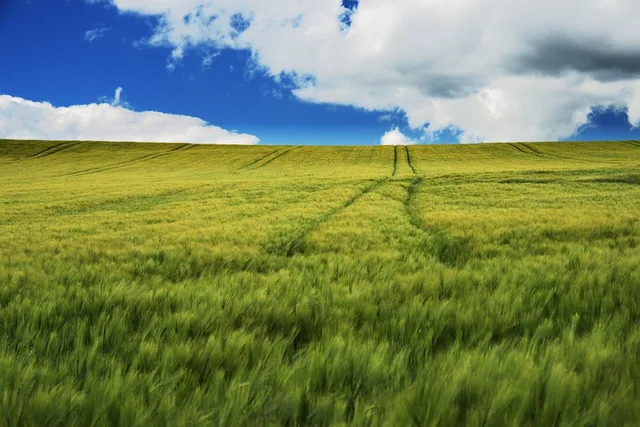
Over 60% of Australian beef production is exported, primarily to the United States, Korea, and Japan. This reliance on international markets means that any disruptions to those destinations directly affect the Australian beef industry.
What is the current state of land ownership in Australia?
A farmer walks across a sprawling paddock during the late afternoon to see how many acres of land are managed.
Farmers and grazers currently own 135,997 farms, which cover 61% of Australia's total landmass. This ownership concentration highlights the significant footprint of agricultural land across the continent.
What is the economic output of Australian agriculture?
A researcher walks through a busy market to see how much value the crops generate for the nation.
Agriculture's farm gate output reached $100 billion per year, accounting for 5.7% of the total GDP in 2023. This substantial output supports many regional economies and contributes significantly to the nation's agricultural identity.
How does the wine industry operate in the region?
A vineyard owner walks through a vineyard in the Adelaide Hills to inspect the rows of grape vines.
The wine industry has faced challenges, particularly during periods of severe weather. Wine producers were impacted by the 2019–20 Australian bushfire season, with Adelaide Hills losing 30% of its vineyards.
What concerns exist regarding land acquisition?
A citizen sits at a desk to discuss the possibility of foreign companies purchasing land.
A 2016 Lowy Institute poll found that 87% of respondents were against the Federal Government allowing foreign companies to buy Australian agricultural land. This sentiment is a significant factor in current policy discussions regarding land security.
How does climate change affect farming profits?
A farmer looks at a barren field during a drought to assess the impact of changing weather patterns.
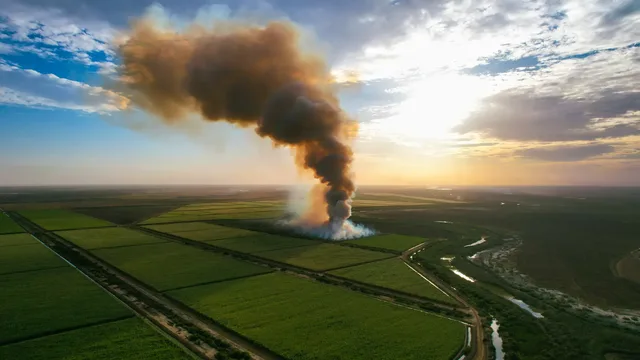
Climate change has damaged farming productivity, reducing broadacre farm profits by an average of 22% since 2000. This ongoing shift in weather patterns continues to challenge the agricultural sector across various regions.
The scale of agricultural production and the environmental factors influencing farming operations are significant aspects of the Australian economy.
Wikipedia: Agriculture in Australia Based on the retained excerpt mentioning Lowy Institute: A 2016 Lowy Institute poll found that 87% of respondents were against the Federal Government allowing foreign companies to buy Australian agricultural land a 6% points higher than a similar survey four years ago.
- How does the Australian beef industry function?
- What is the current state of land ownership in Australia?
- What is the economic output of Australian agriculture?
Australia farm disaster impact
The subject here is Australia farm disaster impact.
The same subject is also called Australian agriculture climate risk.
The same subject is also called Natural disaster farming damage.
The same subject is also called Impact of weather on Aussie crops.
The same subject is also called Farm losses from extreme events.
This part also covers Climate change effect on Aussie farming.
This part also covers Rural economy facing disaster.
This part also covers Agricultural recovery challenges now.
Climate change effect on Aussie farming
How does the Australian beef industry function?
The sun sets over a vast cattle station as the farmer checks the morning feed on the expansive acreage. The Australian beef industry relies heavily on international markets to sustain its operations.
Over 60% of Australian beef production is exported, primarily to the United States, Korea, and Japan. This reliance on international markets means that any disruptions to those destinations directly affect the Australian beef industry.
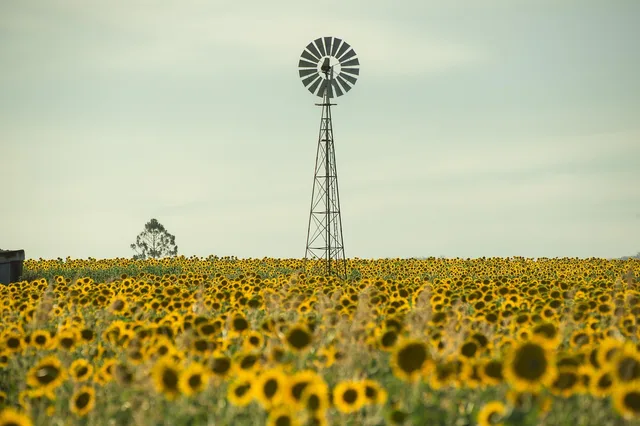
The industry operates through a complex supply chain that moves from large-scale grazing to processing and global distribution. Producers must navigate fluctuating commodity prices and fluctuating international demand to maintain profitability.
What is the current state of land ownership in Australia?
A farmer walks across a sprawling paddock during the late afternoon to see how many acres of land are managed.
Farmers and grazers currently own 135,997 farms, which cover 61% of Australia's total landmass. This ownership concentration highlights the significant footprint of agricultural land across the continent.
The concentration of land ownership means that a relatively small number of entities manage a significant portion of the agricultural landscape. This concentration can influence local decision-making regarding land use and environmental stewardship.
What concerns exist regarding land acquisition?
A citizen sits at a desk to discuss the possibility of foreign companies purchasing land.
A 2016 Lowy Institute poll found that 87% of respondents were against the Federal Government allowing foreign companies to buy Australian agricultural land. This sentiment is a significant factor in current policy discussions regarding land security.
This strong public sentiment suggests that land acquisition remains a sensitive political issue. The debate often centers on whether the current regulatory framework adequately protects local agricultural interests from large-scale investment.
How does climate change affect farming profits?
A farmer looks at a barren field during a drought to assess the impact of changing weather patterns.
Climate change has damaged farming productivity, reducing broadacre farm profits by an average of 22% since 2000. This ongoing shift in weather patterns continues to challenge the agricultural sector across various regions.
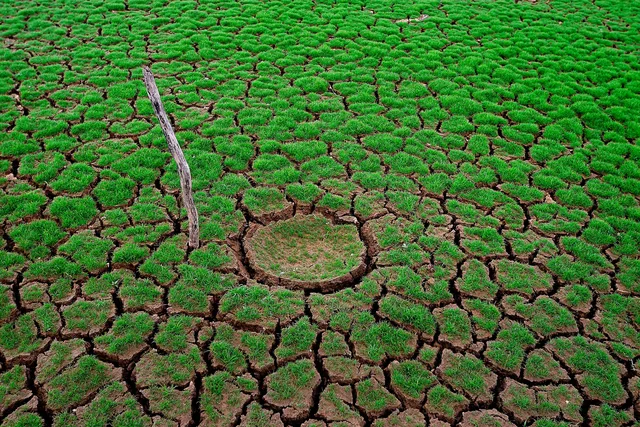
The reduction in profit is directly linked to increased frequency and intensity of extreme weather events. These events disrupt planting schedules, impact livestock health, and reduce the overall yield of crops.
What is the economic output of Australian agriculture?
A researcher walks through a busy market to see how much value the crops generate for the nation.
Agriculture's farm gate output reached $100 billion per year, accounting for 5.7% of the total GDP in 2023. This substantial output supports many regional economies and contributes significantly to the nation's agricultural identity.
This output is vital for regional communities that depend on the agricultural sector for employment and local commerce. The industry's contribution to the GDP remains a cornerstone of the nation's rural economic stability.
Related
Comments 0