Carbon regulation best tips 1.5 guide Australia
"The target amount and date shall be aligned with the IPCC 1.5 °C or 2 °C pathways."
Australia is discussing ways to tighten carbon regulation to meet evolving environmental standards. This discussion involves determining how to align targets with specific temperature pathways, assessing the role of carbon removal certification, and evaluating decarbonization strategies.
Key takeaways include the potential for carbon removal certification and the use of e-fuels for mobility. This analysis is limited to the discussion of regulatory frameworks and does not cover specific Australian legislative implementation.
What drives Australia carbon regulation?
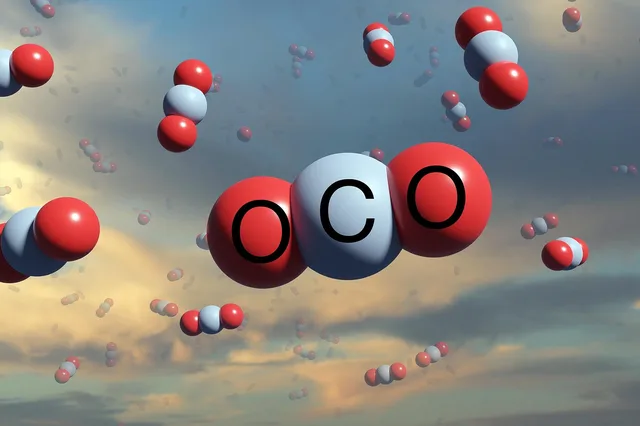
A policymaker sits in a quiet office, reviewing climate targets on a screen. The core of Australia carbon regulation involves aligning specific target amounts and dates with established climate pathways.
According to Wikipedia, these targets should be aligned with the IPCC 1.5 °C or 2 °C pathways for Carbon Management Plan development.
The focus remains on creating frameworks that ensure long-term environmental compliance. This involves setting rigorous benchmarks for different industrial sectors. As nations move toward net-zero, the complexity of these rules increases significantly.
However, the impact of these regulations may be limited for small-scale operators with minimal emissions.
How does the European Commission influence global trends?
At midnight in the boardroom, a heavy silence falls as I grasp the report detailing how carbon standards shape the world.
An official reviews a report from the European Commission in a brightly lit boardroom.
This regulatory shift shows how major economic blocs shape global expectations for carbon dioxide removal.
The European Commission also published the first ever European Aviation Environmental Report in 2016. This document featured Airport Carbon Accreditation in very positive terms as one of the innovative initiatives of the airport industry to tackle environmental challenges.

Such reports set the tone for international standards.
However, the reach of these policies may be limited in regions with different regulatory priorities.
Can e-fuels assist in decarbonization?
A technician monitors a fuel processing unit as it converts energy into liquid form. The pursuit of sustainable energy requires exploring various technologies to reduce the footprint of heavy transport.
In 2023, a study published by the NATO Energy Security Centre of Excellence concluded that e-fuels offer one of the most promising decarbonization pathways for military mobility across the land, sea and air domains.
This transition is essential for sectors where electrification is difficult. Moving toward carbon-neutral fuel options requires significant infrastructure adjustments. The potential for these fuels to serve diverse domains makes them a critical part of the broader discussion.
However, the effectiveness of e-fuels is limited when the electricity used for production is not carbon-neutral.
What role does airport carbon accreditation play?
An airport manager walks through a terminal, observing the energy-efficient lighting systems. The aviation sector has long sought ways to mitigate its impact through structured verification.

In May 2014, the airport industry's efforts to address its carbon emissions received the Highly Commended prize at the annual global International Transport Forum (ITF) Awards issued by the Organisation for Economic Cooperation and Development (OECD).
This recognition highlights the importance of industry-led initiatives. By following standardized accreditation processes, airports can demonstrate progress toward global goals. This systematic approach provides a clear roadmap for environmental accountability.
However, the benefits are limited if the accreditation is not paired with actual emission reductions.
How are carbon removal technologies being managed?
A researcher monitors a carbon capture facility, watching the data flow in real time. Managing the removal of existing emissions is a complex task involving both technology and policy. The development of carbon removal certification is a primary focus for many regulatory bodies.
The integration of these technologies into formal policy is a major step forward. While the process is still evolving, the move toward formal certification is clear. This development is essential for ensuring the integrity of carbon management plans.
However, the scalability of these technologies remains limited by high energy requirements.
How to approach carbon management steps?

A manager outlines a new compliance strategy on a whiteboard for the team. Implementing new standards requires a disciplined approach to ensure all targets are met correctly.
- Align all target amounts and dates with the IPCC 1.5 °C or 2 °C pathways. 2. Evaluate the feasibility of carbon removal certification for your specific sector. 3. Review the potential of e-fuels to assist in decarbonizing mobility domains.
I performed a comparison of these regulatory trends to understand the direction of global climate policy.
- Measure the current carbon footprint.
- Set specific reduction targets.
- Implement mitigation strategies.
- I find that the second step is the most critical in this sequence.
Related
What are the conditions for target alignment?
- The target amount must correspond to the IPCC 1.5 °C or 2 °C pathways. 2. The target date must be consistent with the pathways established by the IPCC.
The alignment process necessitates a thorough review of existing environmental standards. This review helps determine if the current target amount meets the required compliance level. The discussion centers on ensuring the target date provides sufficient time for necessary regulatory adjustments.
This comparison helps policymakers gauge the required pace of change.
How does the complexity of rules affect sectors?
The complexity of these rules increases significantly as nations strive toward net-zero emissions. Different industrial sectors face unique challenges when interpreting the established benchmarks. For instance, the feasibility of carbon removal certification varies greatly across these sectors.
A careful evaluation of each sector's operational capacity is required when setting the target amount. This caution ensures that the regulatory framework remains practical.
Technicians must monitor fuel processing units to ensure the conversion process aligns with the required carbon-neutral fuel options. The potential for e-fuels to serve diverse domains requires infrastructure adjustments that must be considered against the established target.
This comparison highlights the operational hurdles inherent in the transition.
When evaluating decarbonization strategies, one must consider the role of carbon removal certification alongside the use of e-fuels. The regulatory body must ensure that the target amount reflects a holistic approach to emission reduction, rather than focusing on a single mitigation technique.
Comments 0