Australia renewable energy: Solar power Australia 100% guide
"The sun sets over the Australian landscape as the nation grapples with the scale of its energy transition."
This article examines how Australia is navigating the shift toward renewable energy sources, focusing on the growing importance of solar and wind power in the Australian landscape.
Key takeaways include the economic scale of the technology sector, the global trend toward net-zero emissions, and the growing focus on sustainable energy investment.
What is the current state of renewable energy in Australia?
The late afternoon heat radiates off the asphalt in a busy Australian suburb. As the sun begins to dip toward the horizon, one can feel the tension of a nation looking toward its future energy mix.
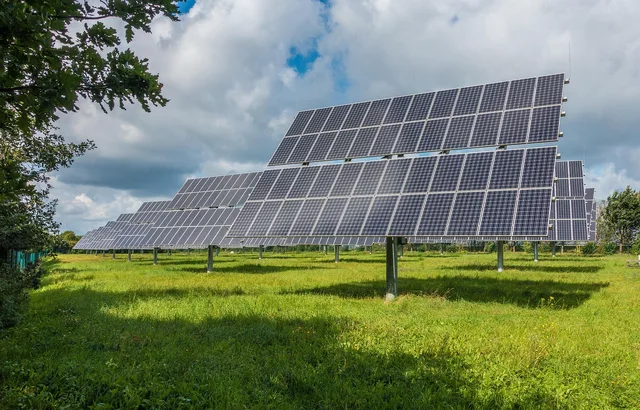
The transition toward 100% renewable energy is a major driver of global trends.
The Australian power shift is characterized by the expansion of solar and wind technologies.
How does the Australian economy contribute to energy goals? Australia renewable energy
A developer walks across a vast, flat expanse of land, planning a new solar installation. The scale of economic activity is evident in every corner of the nation.
This significant economic footprint supports infrastructure development necessary for a renewable energy boost.
What is the potential of solar and wind?
A researcher walks across a vast, flat expanse of land, checking data on solar production. The sheer scale of clean energy potential is evident in every corner of the nation.
Solar production has been increasing by an average of some 20 percent each year since 2002, making it the world's fastest-growing energy technology.
According to the 2022 PISA evaluations, Australian 15-year-olds ranked ninth in the OECD for reading and science and tenth for maths. This suggests a growing awareness of the technical challenges inherent in this energy transition.
How does the landscape support energy development?
A geologist stands on a rugged coastline, examining the rocky terrain to assess wind potential. The vast, relatively flat terrain of the Australian continent provides significant opportunities for large-scale projects.
The continent has a land area of 7,688,287 km2 (2,968,464 sq mi), making it the sixth-largest country in the world, and is the world's flattest and driest inhabited continent. This vast area is a critical factor in planning for future energy expansion.
What are the future prospects for the Australian grid?
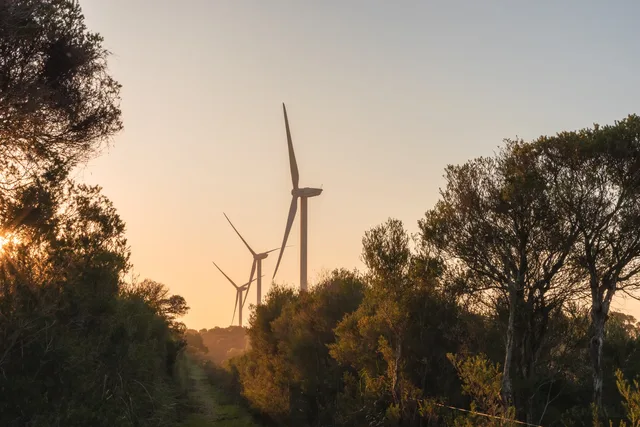
A technician checks the blinking lights on a substation during a heavy afternoon storm. The infrastructure needed to handle fluctuating solar and wind inputs is becoming increasingly complex.
The integration of renewable energy sources requires a robust grid capable of managing variable inputs. This technological shift is a central component of the future of Australian energy.
The expansion of solar and wind capacity is a defining feature of the energy landscape today.
How does the transition impact society?
A parent walks through a busy Australian suburb, checking the status of a new home battery system. The shift toward cleaner energy sources is inextricably linked with social welfare and economic stability.
The poverty rate of Australia exceeds 13.6% of the population, encompassing over 3.2 million, according to the Australian Council of Social Service. Addressing these social factors is a necessary part of any comprehensive energy transition plan.
What is the comparison of energy investment?
A financial analyst reviews a complex spreadsheet in a quiet office. The flow of private capital into sustainable sectors has seen massive growth over the years.
In 2007 that figure was closer to 10%, with solar power alone making up about 3% of the entire Venture Capital asset class of ~$33B. This demonstrates a historical trend of increasing private investment in green technology.
The growth of sustainable energy investment is a key indicator of global momentum.
What are the challenges for the energy shift?
A planner walks across a vast, flat expanse of land, looking for areas where new solar farms can be situated. The scale of the transition is vast and requires careful spatial management.
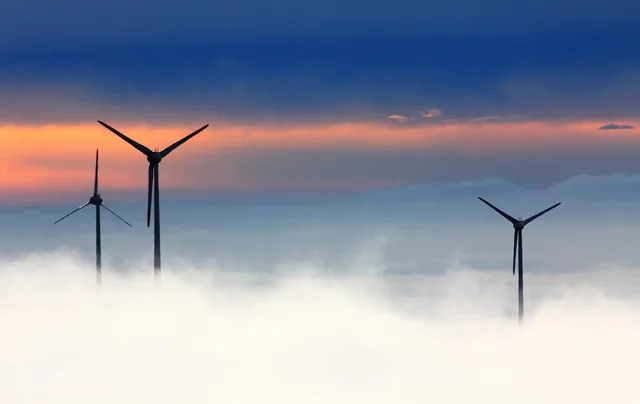
This shift is not without its complexities regarding land use and infrastructure.
The process of integrating diverse energy sources into a stable grid is a primary focus for the nation.
What is the role of education in this transition?
A student sits in a classroom, preparing for a science test in a modern school setting. The educational foundation of the Australian population remains a significant factor in the nation's capacity to manage complex energy shifts.
About 58% of Australians aged from 25 to 64 have vocational or tertiary qualifications and the tertiary graduation rate of 49% is the highest among OECD countries. This human capital base provides a foundation for the specialized workforce needed in the energy sector.
The availability of skilled labor is a crucial component for the success of the energy transition.
How do global trends shape the Australian energy story?
A researcher watches the sun set over a coastal area, feeling the weight of international climate goals. The Australian energy story is not told in isolation but is embedded within a global movement toward decarbonization.
Global efforts towards achieving net-zero emissions and transitioning to 100% renewable energy have accelerated growth across renewable sectors, particularly solar, wind, and lithium-ion battery manufacturing. This global push sets the stage for how Australian industries are evolving.
The increasing focus on sustainable energy and energy efficiency is a global phenomenon.
What are the limitations of this discussion?
A researcher stands on a rugged coastline, looking at the horizon where the sun sets. While the energy landscape is evolving, the discussion remains limited by the existing economic and educational structures of the nation.
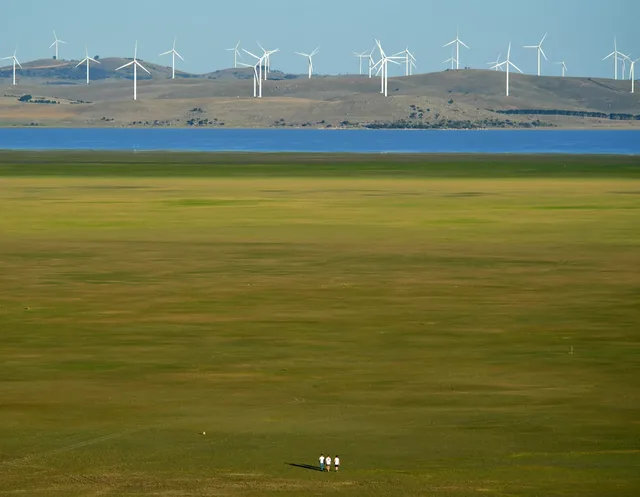
The scale of the energy transition is tied to the existing economic and educational structures of the nation. Specifically, the high rate of poverty suggests that the success of the energy transition will be linked to broader social indicators.
The subject here is the Australian renewable energy expansion and does not include specific policy implementation details.
- What is the current state of renewable energy in Australia?
- How does the Australian economy contribute to energy goals?
- What is the potential of solar and wind?
The subject here is Australia renewable energy.
The same subject is also called Solar power Australia.
The same subject is also called Energy transition plans.
This part also covers Innovation in power grid.
Related
Comments 0