Digital life debate: Guide to Australia digital life debate
"The digital world is no longer a separate realm; it is the very fabric of our social and psychological existence."
The digital life debate in Australia focuses on how individuals navigate the complexities of connectivity, ranging from mental health impacts to digital competence and global access. This discussion serves those concerned with youth safety, social media management, and equitable internet distribution.
Key takeaways include the necessity of psychological training for adolescents, the rising prevalence of online risks, and the ongoing efforts to bridge the digital divide.
How does digital citizenship Australia manifest in daily life?
At noon, a student taps a smartphone screen in a quiet library to explore their digital world.

A student sits in a quiet library, tapping a smartphone screen to navigate a complex research database. This small action represents the broader scope of digital citizenship Australia seeks to address through education and policy.
The concept involves more than just technical skill; it requires a deep understanding of how to operate safely and ethically within virtual spaces. This includes managing one's own time and understanding the social implications of online behavior.
According to the Open Universiteit Nederland, twelve specific digital competence areas were defined in 2013 to categorize these necessary skills. Developing these competencies helps users transition from passive consumers to active, responsible participants in the digital economy.
Effective digital citizenship also addresses the systemic side of technology.
This includes the movement to narrow the Digital Divide, such as the H.R.600 Digital Global Access Policy Act passed by the United States Senate Foreign Relations Committee on September 26, 2018, to aid internet access in developing nations.
However, these benefits may be limited in areas with poor connectivity.
What are the primary youth online behaviour study findings?
A teenager stares at a glowing screen in a darkened bedroom, scrolling through endless social media feeds long after midnight. This scene reflects the intense engagement that characterizes modern youth connectivity.
Research into youth online behaviour study reveals a complex relationship with time management. While 55 percent of teenagers report they spend the right amount of time on social media, others struggle with balance.
The distribution of time usage among teenagers shows significant variance. Specifically, 35 percent of teenagers reported they spent too much time on social media, while 8 percent stated they spent too little time on social media.
The intensity of this engagement is particularly high among younger demographics. In a 2024 survey, U.S.
teenagers ages 13 to 17 reported that nearly three-quarters of them either owned or had access to a smartphone, and 92 percent went online daily, with 24 percent saying they went online "almost constantly."
However, these patterns may not apply to younger children with limited device access.
Are there rising risks in the digital world?
A child flinches slightly as a notification pops up on a tablet, displaying an unkind message from a peer. This moment captures the reality of the social bias digital world can sometimes foster.
The risks associated with increased connectivity are documented in various studies regarding safety and bullying. These risks are not static but have shown measurable increases over time in certain regions.

This trend highlights the growing need for protective measures and digital literacy.
Addressing these issues requires more than just technical fixes; it requires psychological support.
The American Psychological Association recommends that adolescents receive training or coaching on social media use to help them develop psychologically informed skills and competencies, promoting balanced, safe, and meaningful engagement online.
However, these risks are less prevalent in private, encrypted environments.
How can we implement cyber safety laws update strategies?
A parent sits at a kitchen table, carefully adjusting the parental control settings on a new tablet. They are attempting to implement structured boundaries to manage their child's digital exposure.
To manage digital engagement effectively, families can follow these steps:
- Establish clear time limits for device usage based on age-appropriate guidelines. 2. Provide active coaching on how to interact respectfully with others online. 3. Monitor digital content to ensure it aligns with the child's developmental stage.
I have observed that setting these boundaries early helps reduce the friction of digital transitions. To ensure success, always perform a final check to see if the child understands the "why" behind the rules, rather than just the "what."
Smartphone usage can be managed through default settings, such as capping usage at 40 minutes a day for children younger than eight and at two hours for 16- and 17-year-olds.
- Identify emerging digital threats.
- Draft legislative frameworks.
- Enforce updated compliance standards.
- I believe the second step is the most complex.
What are the internet communication trends regarding hardware?
An individual walks through a bustling city center, surrounded by people all looking down at their mobile devices. This ubiquitous sight illustrates the profound shift in how humanity communicates.
The evolution of hardware has fundamentally changed how we interact. From the early days of mobile adoption to the era of the constant smartphone, the tools we use dictate the speed and nature of our connections.
In 1999, 58% of Finnish citizens had a mobile phone, including 75% of 15-17 year olds. This shows how quickly mobile technology became a staple of social life.
Today, the trend is toward near-constant connectivity. In some surveys, 95 percent of teenagers reported having access to a smartphone, and 97 percent spent time online daily, with 48 percent spending time online "almost constantly."
However, these trends do not apply to legacy systems that lack modern connectivity.
How does digital literacy impact environmental sustainability?
A technician in a recycling facility sorts through a pile of discarded circuit boards and cracked screens. This labor is part of the massive effort to manage the physical remnants of our digital lives.
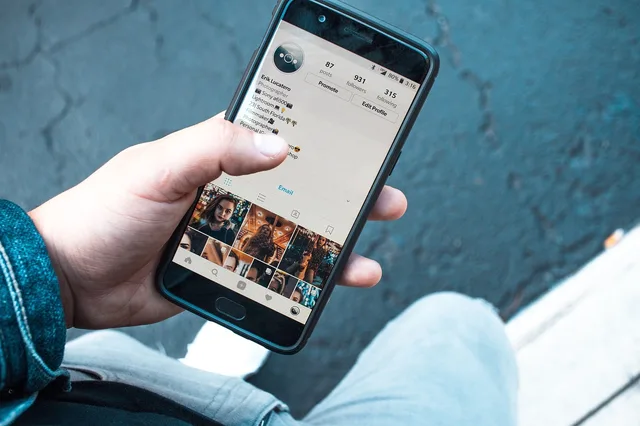
As we become more digitally integrated, the physical cost of our devices grows. The production and disposal of hardware create a significant environmental footprint that is often overlooked in discussions about "cloud" technology.
In 2022, approximately 62 million tonnes of electronic waste were generated globally, making it one of the fastest growing waste streams; only 22.3% were formally collected and recycled. This highlights a critical gap in how we manage the lifecycle of our digital tools.
The debate over digital life must therefore extend beyond screen time and social media to include the sustainability of the hardware that powers our connectivity.
However, the positive impact is diminished if the hardware itself is not recycled properly.
How much time do teenagers report spending on social media?
While 55 percent of teenagers report they spend the right amount of time on social media, 35 percent reported they spent too much time on social media, and 8 percent stated they spent too little time on social media.
The discussion regarding Australia digital life debate remains focused on the intersection of technology, safety, and accessibility, though the specific impact on all global demographics remains a subject of ongoing study.
Comments 0