Climate action plan: Best guide for national industries
"The 2021 IPCC Assessment Report stated that it is 'unequivocal' that climate change is caused by humans."
The Australian government is currently developing a strategic Australia climate action plan to address environmental shifts. This discussion focuses on mitigating human-induced warming and managing the transition of national industries.
Key takeaways include the recognition of human-driven atmospheric changes, the necessity of meeting international temperature targets, and the integration of economic sectors into a green transition.
How bad is the climate right now?

At midnight in the dark lab, the scientist shivers as the digital readout confirms the worsening climate. A scientist peers through a lens at a digital readout showing rising carbon dioxide concentrations. The atmosphere now contains roughly 50% more carbon dioxide than it did at the end of the pre-industrial era, reaching levels not seen for millions of years.
This gas serves as the primary driver for global warming.
According to the 2021 IPCC Assessment Report, it is "unequivocal" that climate change is caused by humans. The thermal energy within the global climate system has grown with only brief pauses since at least 1970, and over 90% of this extra energy has been stored in the ocean.
However, these observations may not apply to localized microclimates where unique geographical features dominate.
How does this affect the Australia climate action plan?
A policymaker marks a map of the coastline during a heated committee meeting. The Australia climate action plan must account for the fact that 2024 was the warmest year on record at +1.60 °C (2.88 °F) since regular tracking began in 1850.
This rapid warming necessitates urgent resource management policy updates.
The World Health Organization calls climate change one of the biggest threats to global health in the 21st century. Addressing these shifts requires a robust energy shift Australia strategy to move away from high-emission models.
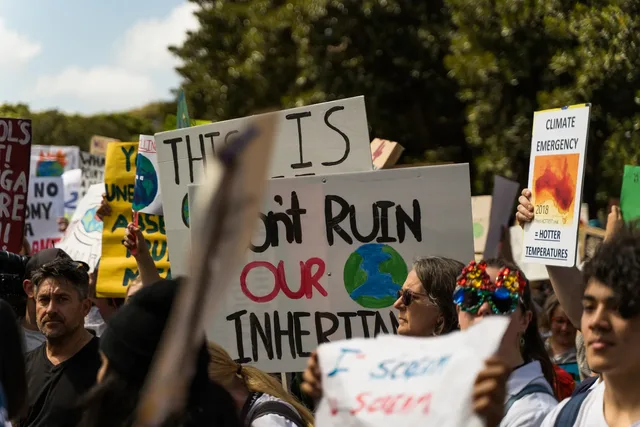
- Assess current emission levels.
- Implement renewable energy infrastructure.
- Monitor long-term environmental outcomes.
How will Australia's energy shift affect my wallet? An economist reviews a spreadsheet detailing the contributions of various industrial sectors. The economic impact of climate policy is significant, as the nation balances traditional industries with emerging green technologies.
According to the Australian Council of Social Service, the poverty rate of Australia exceeds 13.6% of the population, encompassing over 3.2 million.
According to the OECD, about 58% of Australians aged from 25 to 64 have vocational or tertiary qualifications and the tertiary graduation rate of 49% is the highest among OECD countries.
A successful transition requires managing the social effects of green transition to ensure no workforce is left behind.
The tech sector already plays a massive role in the national economy. A 2022 study by the industry lobby group, The Tech Council of Australia, stated that the Australian technology sector combined contributes $167 billion a year to the economy and employs 861,000 people.
| Sector Metric | Value |
|---|---|
| Tech Sector Annual Contribution | $167 billion |
| Tech Sector Employment | 861,000 people |

I observed how these economic figures provide a baseline for how new green industries might eventually integrate into the existing financial landscape.
I find that the second step in this transition is the most complex.
How can we prepare for the future environmental strategy?
A student sits in a classroom, studying the relationship between carbon levels and temperature rise. Developing a future environmental strategy involves understanding historical climate patterns and modern projections.
We must look at how current trends compare to the Last Interglacial, which occurred around 125,000 years ago.
To prepare for these changes, follow these steps:
- Analyze historical temperature datasets to understand the rate of increase, which is around 0.2 °C per decade. 2. Evaluate current atmospheric carbon dioxide levels against pre-industrial baselines. 3. Monitor ocean heat storage to assess the long-term thermal energy in the climate system.
Perform a final check to ensure that all local policy adjustments align with the goal of keeping warming well under 2 °C as agreed under the 2015 Paris Agreement.
The effectiveness of these preparations is limited if technological innovation fails to keep pace with policy changes.
What are the limits of current climate pledges?
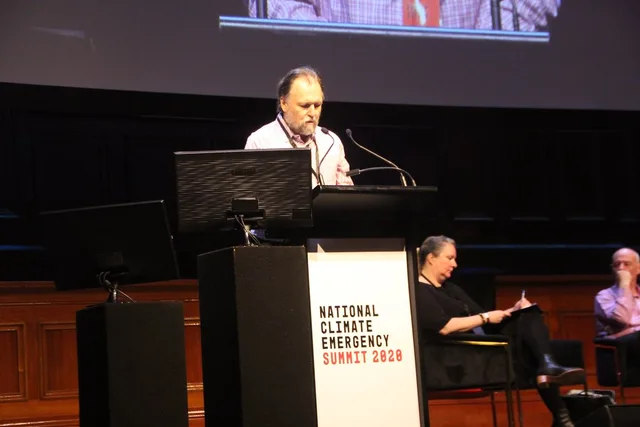
A diplomat sighs while looking at a projection of global temperatures for the end of the century. While nations have made pledges under the Paris Agreement, global warming would still reach about 2.8 °C (5.0 °F) by the end of the century.
This gap between pledges and targets remains a central point of debate.
It is important to note that not every single year is warmer than the last, as internal climate variability processes can make any year 0.2 °C warmer or colder than the average.
These pledges do not account for unforeseen ecological tipping points that could accelerate warming.
The same subject is also called Govt talks climate change.
The same subject is also called Climate response debate.
What is the current level of carbon dioxide in the atmosphere?
Earth's atmosphere now has roughly 50% more carbon dioxide than it did at the end of the pre-industrial era, reaching levels not seen for millions of years.
The discussion surrounding the Australia climate action plan remains centered on the tension between current warming trends and the necessity of meeting international temperature targets.
What determines the scale of the energy shift?
The scale of the energy shift depends on how effectively the nation moves away from high-emission models toward renewable energy infrastructure. This transition requires comparing current emission levels against the goals set by the 2015 Paris Agreement to ensure warming stays well under 2 °C.
Comparing the current warming of 1.60 °C to the historical baseline established in 1850 helps policymakers understand the urgency of the resource management updates. This comparison is necessary because the thermal energy stored in the ocean represents over 90% of the extra energy in the system.
Caution should be applied when interpreting localized data, as unique geographical features may cause microclimates to behave differently than the global average. While the IPCC Assessment Report provides a global context, these local variations can influence how specific industries transition.
Comments 0